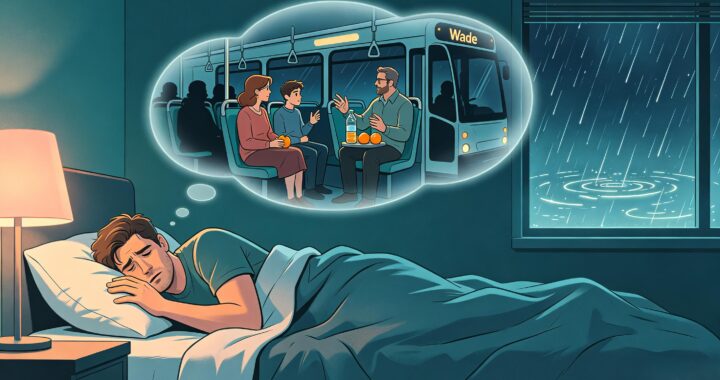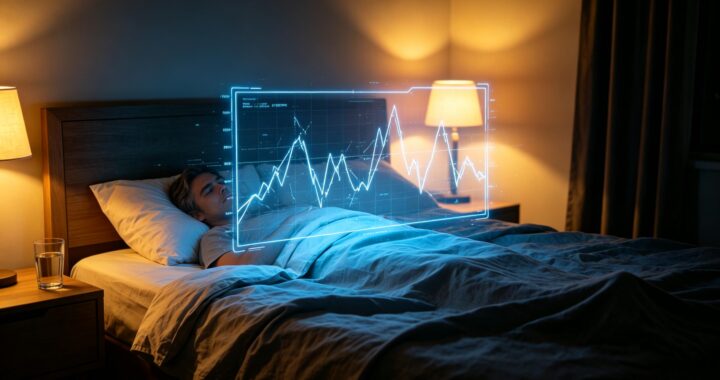

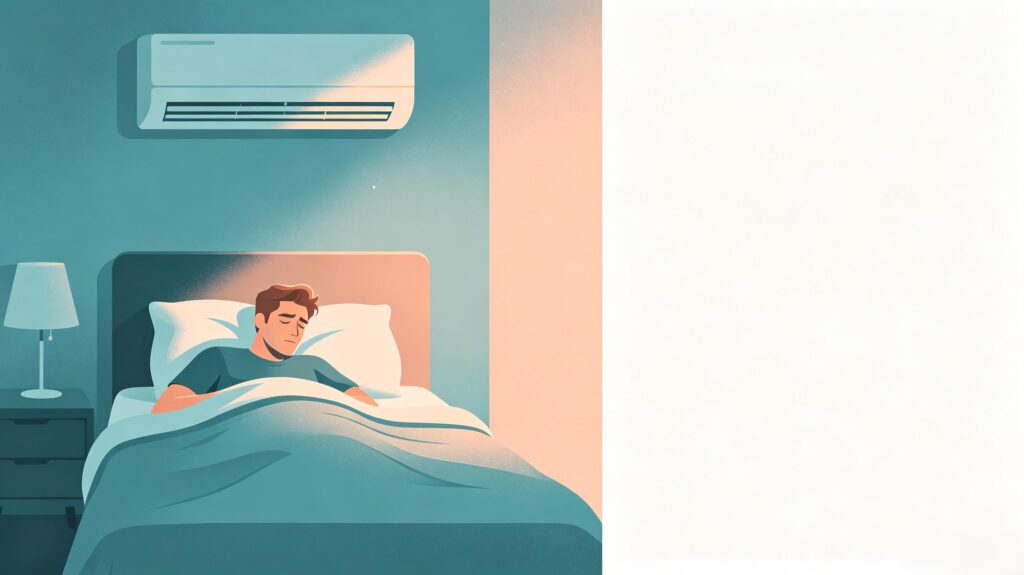
Pre-Sleep State & Full Night Sleep Timeline
On the night of June 19, I drank a large amount of tea before bedtime. The extra fluid combined with trace caffeine from tea created unstable sleep foundations right from falling asleep. I set the air conditioner to a fairly low temperature and kept it running all night, leaving the whole room persistently chilly.
My sleep stayed extremely light the entire night. Due to the diuretic effect of the tea, I woke up repeatedly to use the restroom. Every nighttime wake-up cut off my complete sleep cycles, making it impossible to accumulate deep slow-wave sleep. The low indoor temperature kept my muscles and nervous system under subtle constant tension, further preventing stable, uninterrupted sleep.
I naturally woke up around 5 o’clock early in the morning. After waking, I finished a full session of gentle relaxation meditation to release physical tightness and mental fatigue built up overnight. Right after meditation, however, I mindlessly scrolled through my smartphone. Screen blue light and constant information browsing overrode the calm nervous state meditation had created, overexciting my cerebral cortex again.
Once I put the phone down and tried to fall back asleep, my sleep quality never recovered. The second sleep phase was still incredibly shallow; tiny noises or minor movements would jolt me awake instantly. There was zero dream activity throughout the whole night. My subconscious stayed fully blank, with no dream scenes, storylines, or lingering emotional memories left after I got up in the morning.
Post-Waking Physical & Mental Sensation
Even though I spent a long time lying in bed, my sleep was fragmented and surface-level the whole time. Without accumulated deep sleep or REM dream cycles, my body could not complete physical recovery or mental repair. When I woke up the next morning, my body felt heavy, my mind was sluggish, and I was overwhelmed by exhaustion. It was a classic case of long bed rest paired with terrible, unrefreshing sleep quality.
In-Depth Authoritative Sleep Science Analysis (NCBI & PMC Citations Attached)
1. Excess pre-bed tea triggers dual sleep suppression: frequent night waking + blocked dream generation
Research archived on the NCBI database confirms that high fluid intake within 2–3 hours before bed drastically boosts nighttime urine production, fragmenting complete sleep architecture. Repeated awakenings slice sleep into short, disconnected segments, drastically lowering the proportion of restorative slow-wave deep sleep and breaking continuous REM cycles—the only physiological stage where dreams form.
Tea naturally contains low-dose caffeine, which suppresses early-stage REM activation on its own. When paired with sleep interruptions from midnight bathroom trips, it creates dual inhibition of dream production, leading to fully blank dream memory the next day.
2. Overly low room temperature traps the brain in a permanent shallow sleep state
Clinical sleep environment studies published by the Sleep Foundation and cross-referenced via PMC show human bodies rely on a mild natural drop in core temperature to enter deep sleep. If the room temperature is set excessively low overnight, muscles sustain micro-contractions nonstop, and the sympathetic nervous system cannot fully relax. The brain maintains a low-level alert state all night, locking sleep into shallow, easily disrupted light sleep with no opportunity to reach dream-rich REM phases.
3. Post-meditation phone scrolling reverses all relaxation benefits and ruins secondary sleep
Mindfulness meditation is clinically proven to reduce cortisol levels, calm the autonomic nervous system, and prime the brain for deep, stable rest. However, blue light emitted by smartphone screens strongly suppresses melatonin secretion within minutes of exposure. This instantly reverses the neural relaxation achieved through meditation, raising cortical arousal back to alert levels.
When attempting to fall asleep again after blue light exposure, the brain cannot shift into slow-wave or REM sleep modes. All subsequent rest stays in fragile light sleep, eliminating any chance of dreaming and preventing physical energy restoration.
4. Fragmented light sleep causes extreme post-sleep exhaustion
Complete REM and deep sleep cycles are mandatory for overnight memory consolidation, tissue repair, and mental fatigue relief. Nights made up solely of broken shallow sleep fail to complete these critical recovery processes. This explains the heavy, drained physical feeling despite spending many hours lying in bed.
Author’s Note
Readers who have followed my logs from Volume 1 might have noticed a consistent pattern: most of my zero-dream nights are caused by frequent nighttime urination brought on by excessive tea and liquid intake before bed. Many of you may wonder why I don’t simply cut down on fluids late at night to avoid this issue.
First off, I already stick to a strict caffeine rule to protect sleep quality: all caffeinated drinks including tea, coffee, and caffeinated soda like Coca-Cola are consumed before 3 p.m. I avoid any caffeine after that hour because caffeine directly disrupts sleep cycles, delays deep sleep and suppresses dream formation. Even so, the hydration rule for my fat-loss routine still creates sleep troubles.
I am required to drink 3 liters of water every single day. On busy days, I often fall far behind my hydration target by 9 or 10 p.m., so I end up chugging large amounts of tea and water right before bed to hit the daily quota. This last-minute fluid overload inevitably leads to repeated midnight bathroom trips, splitting my sleep cycle and wiping out any chance of vivid dreaming.
After the terrible sleep experience on June 19, I have fully adjusted my hydration schedule to fix this recurring issue. Moving forward, if I haven’t finished my 3-liter water goal by late afternoon, I will top up most of my required liquid between 5 p.m. and 7 p.m. This way, I have plenty of time to use the restroom repeatedly before bedtime, cutting down on midnight awakenings significantly. With fewer sleep interruptions, I expect far more vivid, detailed dream entries for future logs, with more suspenseful and imaginative dream content to share with everyone.
Disclaimer
All sleep records, timeline descriptions, personal physical sensations, and behavioral logs in this entry are authentic first-hand personal archives, created solely for the Dream Log ebook series. This content is for personal reading and non-commercial popular science reference only. It does not act as professional medical diagnosis, sleep disorder treatment guidance, or mental health counseling. Readers suffering from persistent insomnia or long-term sleep dysfunction should consult a licensed medical specialist. All cited NCBI and PMC academic resources serve purely as neutral science references and carry no medical treatment recommendations or commercial product endorsements.
This dream entry is one part of the complete 7-day collection featured in Dream Blog E-book Volume 2. The e-book has not launched yet, please stay tuned for its official release.